
Follow Me On Social Media!

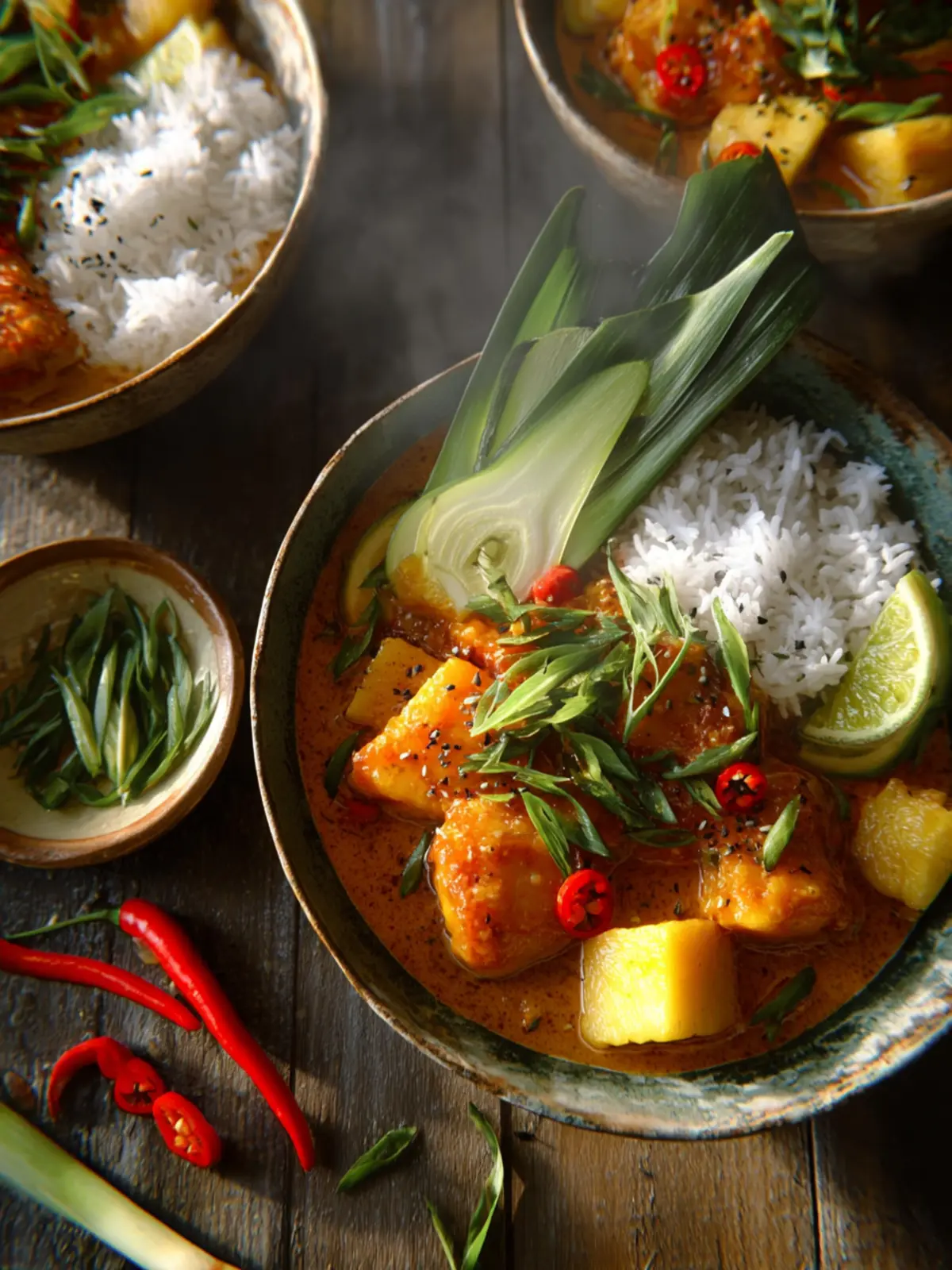
Thai Fish Curry: Irresistibly Creamy Comfort in Every Bite

Introduction to Thai Fish Curry
Dive into the vibrant world of Thai fish curry, where rich flavors and aromatic spices create a dish that enchants not only the palate but also the heart. Picture yourself seated in a bustling Thai market, the air filled with the tantalizing scents of coconut milk, fresh herbs, and zesty lime. Each spoonful of this delicious curry transports you to a sun-kissed beach on the Andaman Sea, where culinary traditions blend seamlessly with the vibrant local culture.
What makes Thai fish curry so irresistible?
It’s all about the harmony of ingredients. Thai cuisine is renowned for its balance of sweet, sour, salty, and spicy flavors, and fish curry is no exception. The magic starts with fresh fish—preferably white varieties like snapper or tilapia—that not only absorbs the flavors but also provides a tender, flaky texture. When paired with a fragrant coconut milk base, this dish transforms into comfort food that’s both comforting and delightful.
Let’s not overlook the crucial role of herbs and spices, which are the heartbeats of this curry. Fresh ingredients like lemongrass, ginger, garlic, and Thai basil add depth and character to the dish, while a dash of chili boosts the heat to your liking. The inclusion of perfectly balanced seasonings, such as fish sauce and lime juice, elevates the profile, creating an umami explosion that lingers on the taste buds.
Moreover, crafting this dish allows for creativity. Whether you prefer it chunky with vegetables such as bell peppers and zucchini or more streamlined with just fish and sauce, Thai fish curry can be customized to suit your taste preferences. This flexibility makes it a perfect meal for dinner parties, where you can impress your friends with the rich flavors and your culinary skills.
So, if you’re curious about how to recreate this enchanting dish in your own kitchen, keep reading. We’re about to embark on a flavorful journey that’s sure to become a staple in your culinary repertoire!
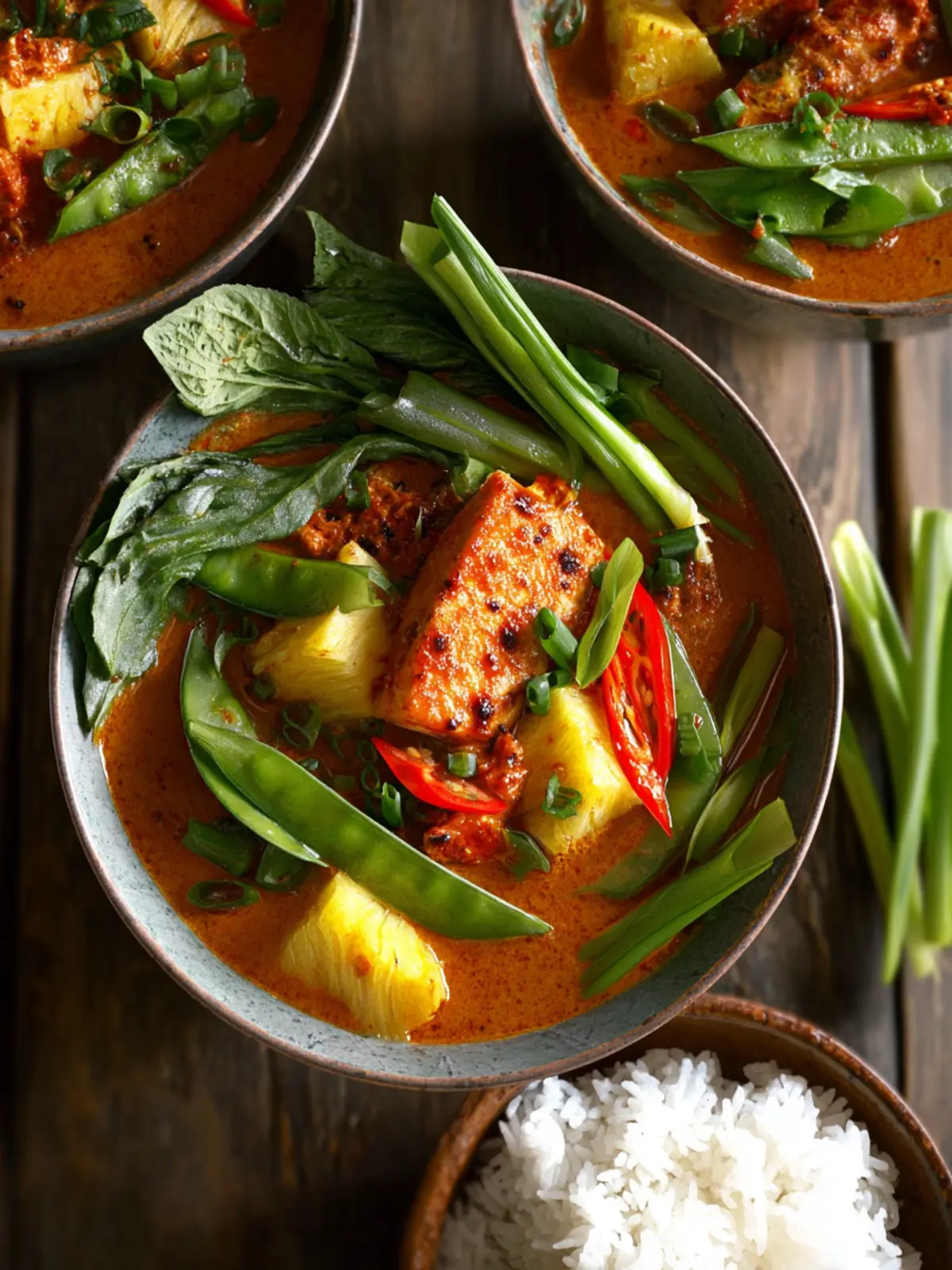
Key Ingredients for Thai Fish Curry
Fish: For a delightful Thai fish curry, I recommend using firm white fish like cod or snapper. They hold up beautifully during cooking, soaking in the rich flavors of the curry without breaking apart. If you’re feeling adventurous, try salmon for a different taste experience!
Coconut Milk: This is the star of the show. Creamy and luscious, coconut milk lends a rich, tropical flavor that perfectly balances the spices. For a lighter option, you can use light coconut milk or a milk alternative, but the richness complements the other ingredients beautifully.
Curry Paste: A quality Thai red curry paste is essential for that authentic taste. It’s packed with spices and herbs like lemongrass and galangal. Always taste your paste before adding it to gauge its heat level; if you’re not a fan of spicy food, feel free to adjust the amount.
Vegetables: Colorful bell peppers, vibrant green peas, and crunchy carrots not only add visual appeal but also texture and nutrition. Using seasonal vegetables enhances the freshness of your Thai fish curry.
Herbs: Fresh cilantro and Thai basil bring a burst of herbal freshness. You can sprinkle them generously on top right before serving to elevate the dish.
Lime Juice: A splash of fresh lime juice at the end brightens the entire dish and balances out the richness of the coconut milk. It’s the secret ingredient that takes your Thai fish curry from good to unforgettable!
Why You’ll Love This Recipe
Creating the perfect Thai fish curry is like a delightful culinary journey, transporting you straight to the vibrant streets of Thailand with every bite. What you’ll discover in this dish is not just a meal but an experience filled with aromatic spices and fresh ingredients that come together in harmonious bliss.
-
Aromatic Flavors: The blend of lemongrass, ginger, and coconut milk provides a rich foundation that elevates the taste of the fish to a whole new level. It’s like a warm embrace for your taste buds.
-
Quick and Easy: This Thai fish curry comes together surprisingly fast, making it a go-to for busy weeknights. You can delight your friends or family without spending hours in the kitchen.
-
Health Benefits: Packed with nutrient-dense ingredients like fish and veggies, this recipe not only satisfies your cravings but also promotes a healthier lifestyle. Fish is a great source of omega-3 fatty acids, which are essential for heart health.
-
Versatile Ingredients: The recipe allows you the freedom to switch up the proteins or vegetables based on what you have on hand. You can make it your own, turning a simple dish into a family favorite.
Once you try this Thai fish curry, you’ll be hooked on its flavor, convenience, and health benefits. Prepare for a delightful experience that will have everyone at the table asking for seconds!
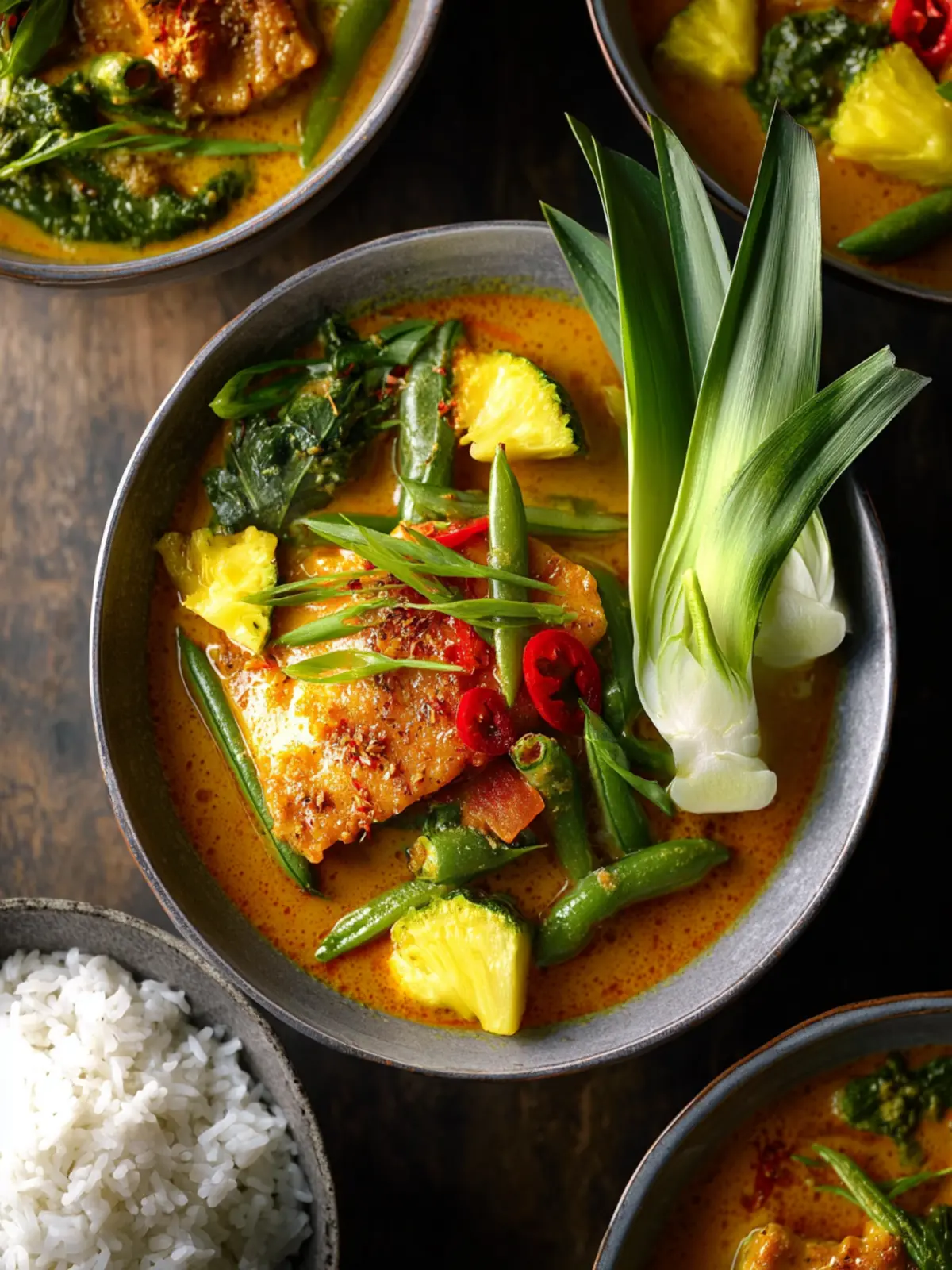
Variations of Thai Fish Curry
Exploring the world of Thai fish curry can be a delightful culinary adventure. Each variation offers a unique flavor profile, allowing you to tailor the dish to your own preferences or what you have on hand.
Different Types of Fish
While many recipes call for white fish like cod or tilapia, consider experimenting with other types, such as salmon or mackerel. Salmon adds a richer, oilier taste, while mackerel introduces a bold flavor that pairs beautifully with the aromatic spices.
Coconut Milk Alternatives
The creamy element in Thai fish curry primarily comes from coconut milk. However, if you’re looking to lighten up the dish, almond milk or a homemade cashew cream can serve as excellent alternatives. Just keep in mind that this will change the flavor slightly, so season carefully!
Adding Vegetables for Variety
To elevate your curry, why not throw in some seasonal vegetables? Options like:
- Bell peppers
- Snow peas
- Sweet potato
These not only enhance the nutrition but also contribute different textures and colors to your dish, making it visually appealing and satisfying.
Regional Influences
Did you know that the style of your Thai fish curry can vary greatly depending on the region in Thailand? For example, curries from the southern regions may be spicier and richer due to the use of a mix of chili pastes, while northern versions often include fresh herbs and are milder. Experimenting with these regional variations can add a whole new dimension to your cooking.
With these tips, you can explore the diverse world of Thai fish curry, making it your own!
Cooking Tips and Notes for Thai Fish Curry
Creating a delicious Thai fish curry in your kitchen can be a rewarding experience, transforming fresh ingredients into a vibrant dish that delights the palate. Here are some handy tips to ensure your culinary adventure goes smoothly and turns out spectacular.
Choose Fresh Fish
Using fresh fish is paramount. Opt for firm white fish varieties like cod, snapper, or halibut. These hold their shape well when cooked and absorb the flavors of the coconut milk and curry paste beautifully. If possible, visit your local fish market for the freshest catch.
Perfecting the Curry Paste
While store-bought Thai curry paste can be convenient, nothing beats the robust flavor of a homemade version. If you’re using pre-made paste, adjust portion sizes based on your taste preferences, as some can be spicier than others. Add it gradually, tasting along the way!
Balance of Flavors
Achieving a great balance between sweet, salty, and sour flavors is key to an authentic Thai fish curry. Be generous with lime juice and fish sauce to bring out the dish’s complexity. Remember, adding a teaspoon of sugar can counteract acidity and heighten flavors.
Keep it Colorful
Incorporate plenty of fresh vegetables like bell peppers, bamboo shoots, and green beans. Not only do they add color, but they also provide crunch and nutrition, making your Thai fish curry as healthful as it is delicious!
Experiment and enjoy the process; the beauty of cooking is making it your own!
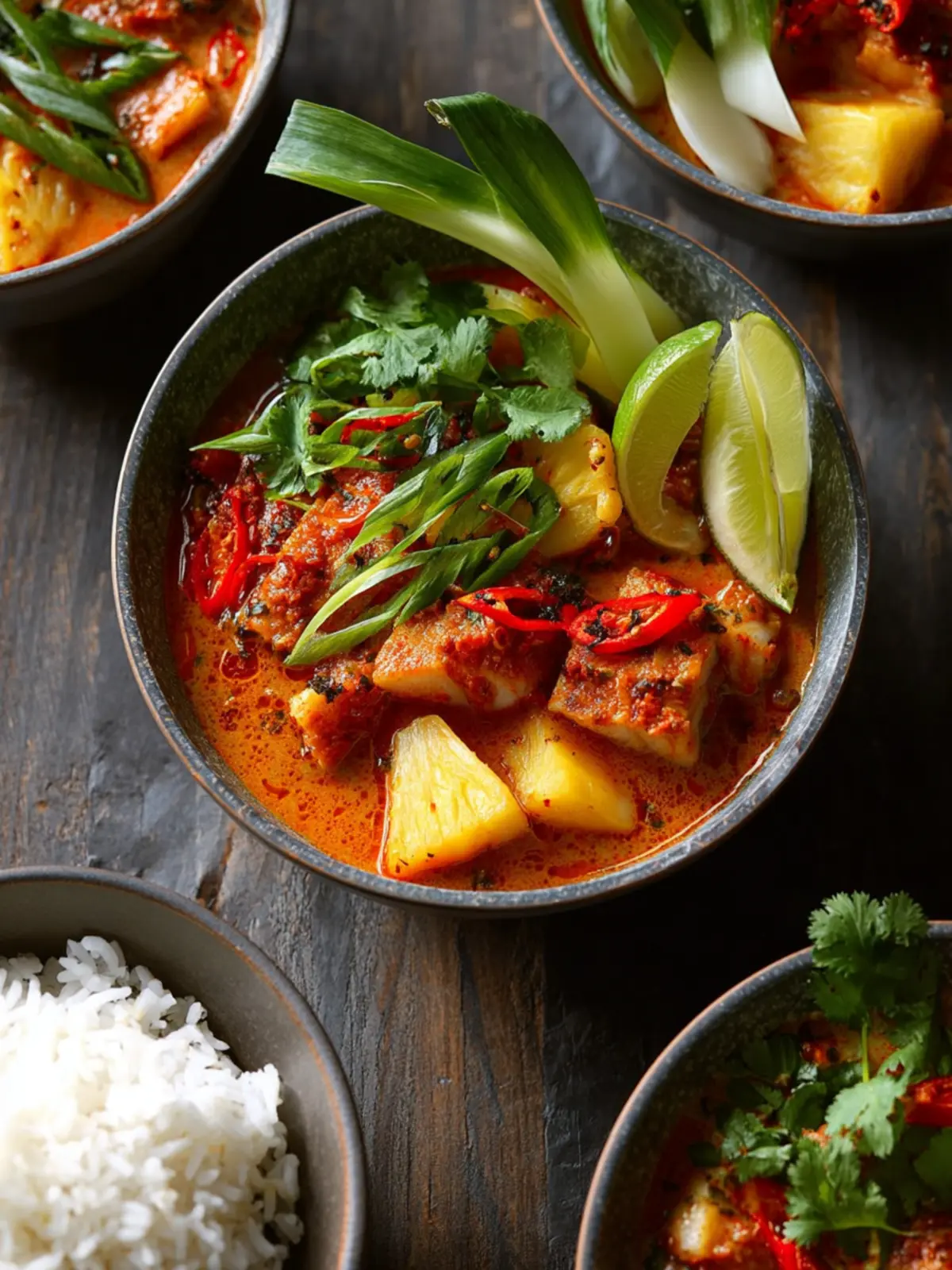
Serving Suggestions for Thai Fish Curry
Serving the perfect Thai fish curry can elevate your dining experience from home-cooked comfort to a culinary journey. To create a harmonious meal, consider these delightful accompaniments:
-
Steamed Jasmine Rice: The fragrant grains provide the ideal base for soaking up that rich, aromatic curry sauce. You can also experiment with coconut rice for an extra layer of flavor.
-
Fresh Herbs: A sprinkle of chopped cilantro or Thai basil not only enhances the dish visually but adds a fresh, herby touch that complements the flavors beautifully.
-
Crispy Poppadums: These crisp lentil wafers offer a delightful crunch that contrasts nicely with the tender fish. Serve them on the side for an enjoyable textural experience.
-
Spicy Pickled Vegetables: A dash of tangy and spicy pickled veggies provides an exciting contrast to the creamy curry. This side can be a refreshing palate cleanser.
-
Light Salad: A simple cucumber salad dressed with lime juice can add a refreshing brightness to the meal, balancing the richness of the Thai fish curry.
Enjoy your culinary masterpiece with these vibrant sides that not only please the palate but also bring a sense of balance to your dining experience.
Time Breakdown for Thai Fish Curry
When preparing to make a Thai Fish Curry, understanding the timing can elevate your cooking experience. Here’s a simple breakdown to ensure everything goes smoothly.
Preparation time
Setting aside 15 minutes for preparation will allow you to chop vegetables, measure out your ingredients, and blend your curry paste. This is the perfect moment to enjoy a podcast or catch up on a show while you prep!
Cooking time
The cooking phase takes roughly 20-25 minutes. This includes bringing your ingredients together, simmering the sauce, and letting those delicious flavors develop.
Total time
In total, you’ll be looking at about 35-40 minutes from start to finish. It’s an efficient way to serve up a vibrant and flavorful meal on a busy evening, leaving you plenty of time for a relaxed dinner with friends or family.
Nutritional Facts for Thai Fish Curry
Delving into the Thai Fish Curry recipe not just tantalizes your taste buds but also provides a healthy balance of nutrients. Here’s a brief overview of what you can expect per serving:
Calories
A typical serving of Thai Fish Curry contains around 350–400 calories. This makes it a satisfying option without derailing your dietary plans, perfect for a hearty dinner.
Protein
Packed with protein, each serving boasts approximately 30 grams. The fish serves as a lean source of protein, which is essential for muscle repair and growth.
Sodium
While enjoying your flavorful bowl, keep in mind that the sodium content is around 600 milligrams per serving. This includes natural and added salts from ingredients like fish sauce and broth, so it’s a good idea to adjust based on your dietary needs.
This delicious fusion of flavor and nutrition truly makes Thai Fish Curry a must-try for those looking to eat well while indulging!
FAQs about Thai Fish Curry
Cooking a Thai fish curry can be an exhilarating experience, inviting the warmth of Southeast Asian flavors right into your kitchen. You may have questions about how to perfect this dish or adapt it to your tastes. Let’s dive into some frequently asked questions about this vibrant recipe!
Can I use any type of fish for this recipe?
Absolutely! While traditional options like tilapia or cod work beautifully, you can get creative. Firm white fish such as haddock and even salmon can deliver a delightful flavor. Just ensure the fish is fresh and boneless for the best texture. When experimenting, consider how the flavor profiles of different fish complement the aromatic curry sauce.
How can I adjust the spiciness of the curry?
Adjusting the spiciness of your Thai fish curry is easy! Start by controlling the amount of red curry paste you use: a smaller amount will keep it mild, while adding more will enhance the heat. If you’ve gone a little too spicy, stir in some coconut milk or sugar to balance the flavors. Remember to taste as you go—you’ll soon find your perfect level of heat!
What sides pair well with Thai fish curry?
To complement your Thai fish curry, consider serving it with traditional jasmine rice or fluffy coconut rice, which soak up the curry wonderfully. Crunchy vegetable spring rolls or a fresh Thai salad with lime dressing can add refreshing contrast. For an extra kick, some crispy fried noodles could add texture and balance to your meal!
Embrace the vibrant flavors and textures of your Thai fish curry, and you’ll create a memorable dining experience.
Conclusion on Thai Fish Curry
Embracing the vibrant flavors of a Thai Fish Curry not only delights your taste buds but also connects you with a rich culinary tradition. This dish, characterized by its aromatic spices and fresh herbs, brings a burst of color and nutrition to your dinner table. The combination of tender fish, creamy coconut milk, and zesty lime creates a symphony of flavors that’s both comforting and exciting.
As you wrap up your cooking adventure, consider serving this curry with jasmine rice or a side of crusty bread to soak up every last drop of that fragrant sauce. Your home will smell like a bustling Thai market, and trust me, your friends and family will ask for seconds!
Print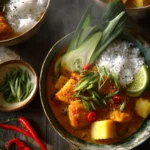
Coconut Curry Fish
- Total Time: 30 minutes
- Yield: 4 servings 1x
- Diet: Gluten-Free
Description
A delicious coconut curry dish with white fish and vegetables.
Ingredients
Scale
- 1 tablespoon coconut oil
- 1 large yellow onion (chopped)
- 6 cloves garlic (minced)
- 1 tablespoon fresh minced ginger
- 2 tablespoon red curry paste
- 2 teaspoon curry powder
- 28 ounces canned, diced tomatoes with juice
- 1 teaspoon red chili flakes
- 2 teaspoon granulated sugar
- 1 teaspoon salt (or to taste)
- 14 ounces full-fat unsweetened coconut milk
- 1 lime (juiced)
- 4 4-ounce white fish filets (cod, mahi-mahi, tilapia)
- 2 cups baby bok choy
- 1 cup pineapple (chopped)
- Chopped green onion, cilantro, and sesame seeds (to garnish)
Instructions
- Heat a large heavy bottomed skillet or wok over medium-high heat. Add the coconut oil and onion to the skillet and stir to combine. Sauté onions for 5-6 minutes, or until softened and translucent. Stir frequently.
- Add the minced garlic and ginger to the onions and sauté for 1 minute, stirring continuously to prevent burning. Reduce heat to medium and stir in the red curry paste and curry powder. Cook, stirring continuously for 1 minute more.
- Add the diced tomatoes, red chili flakes, granulated sugar, and salt to the onions. Increase heat to high and mix well. Bring the curry to a simmer and reduce heat to low. Add the lime juice and coconut milk, mixing well to combine.
- Add the white fish pieces in the sauce, making sure they’re covered with enough sauce to cook through fully. Cover and cook for approximately 10-12 minutes, stirring gently every 2-3 minutes.
- Once fish is fully cooked, add the bok choy and pineapple to the curry and cook for an additional 3-4 minutes.
- Remove from heat. Serve with rice and garnish with chopped green onion, cilantro, and sesame seeds, if desired.
Notes
- This dish can be served with rice or noodles.
- Adjust the spice level by varying the amount of red chili flakes.
- Feel free to substitute the fish with other proteins like shrimp or tofu.
- Prep Time: 10 minutes
- Cook Time: 20 minutes
- Category: Main Course
- Method: Stovetop
- Cuisine: Thai
Nutrition
- Serving Size: 1 filet with sauce and vegetables
- Calories: 350
- Sugar: 6g
- Sodium: 800mg
- Fat: 20g
- Saturated Fat: 14g
- Unsaturated Fat: 5g
- Trans Fat: 0g
- Carbohydrates: 29g
- Fiber: 4g
- Protein: 18g
- Cholesterol: 50mg