
Follow Me On Social Media!


Homemade Sauerkraut: The Best Tangy Twist for Your Dishes

Introduction to Homemade Sauerkraut
Making homemade sauerkraut is one of those delightful culinary adventures that connects you with centuries of tradition. Imagine standing in your kitchen, surrounded by fresh cabbage and the enticing aroma of freshly grated vegetables, knowing you’re about to embark on a journey that not only tantalizes your taste buds but also nurtures your gut health. Each bite of this fermented goodness offers a crunchy, tangy explosion of flavor that you simply can’t replicate with store-bought versions.
Embracing the Art of Fermentation at Home
Diving into the world of fermentation may seem intimidating, but it’s surprisingly simple and rewarding. Fermented foods, like sauerkraut, are not just delicious; they are teeming with probiotics that are beneficial for your digestive system. Studies show that incorporating probiotic-rich foods into your diet can support your immune system, boost your mood, and even improve nutrient absorption.
Here are a few reasons why making your own homemade sauerkraut is worth considering:
- Control Over Ingredients: When you create your own sauerkraut, you choose organic vegetables and skip preservatives and additives that commercial brands often contain.
- Flavor Customization: Craft your own flavor profile by experimenting with spices or adding ingredients like carrots, ginger, or garlic to your basic recipe.
- Sustainable and Budget-Friendly: Instead of buying expensive jars of fermented goods, making your own is cost-effective and reduces food waste.
- Community Connection: Fermentation can also be a bonding activity. Invite friends over for a sauerkraut-making party and share in the joy of creating something delicious together.
As you gather your ingredients and tools to start this simple yet profound process, remember that making homemade sauerkraut is less about perfection and more about patience and experimentation. So grab your cabbage and let’s get started on this tasty transformation!
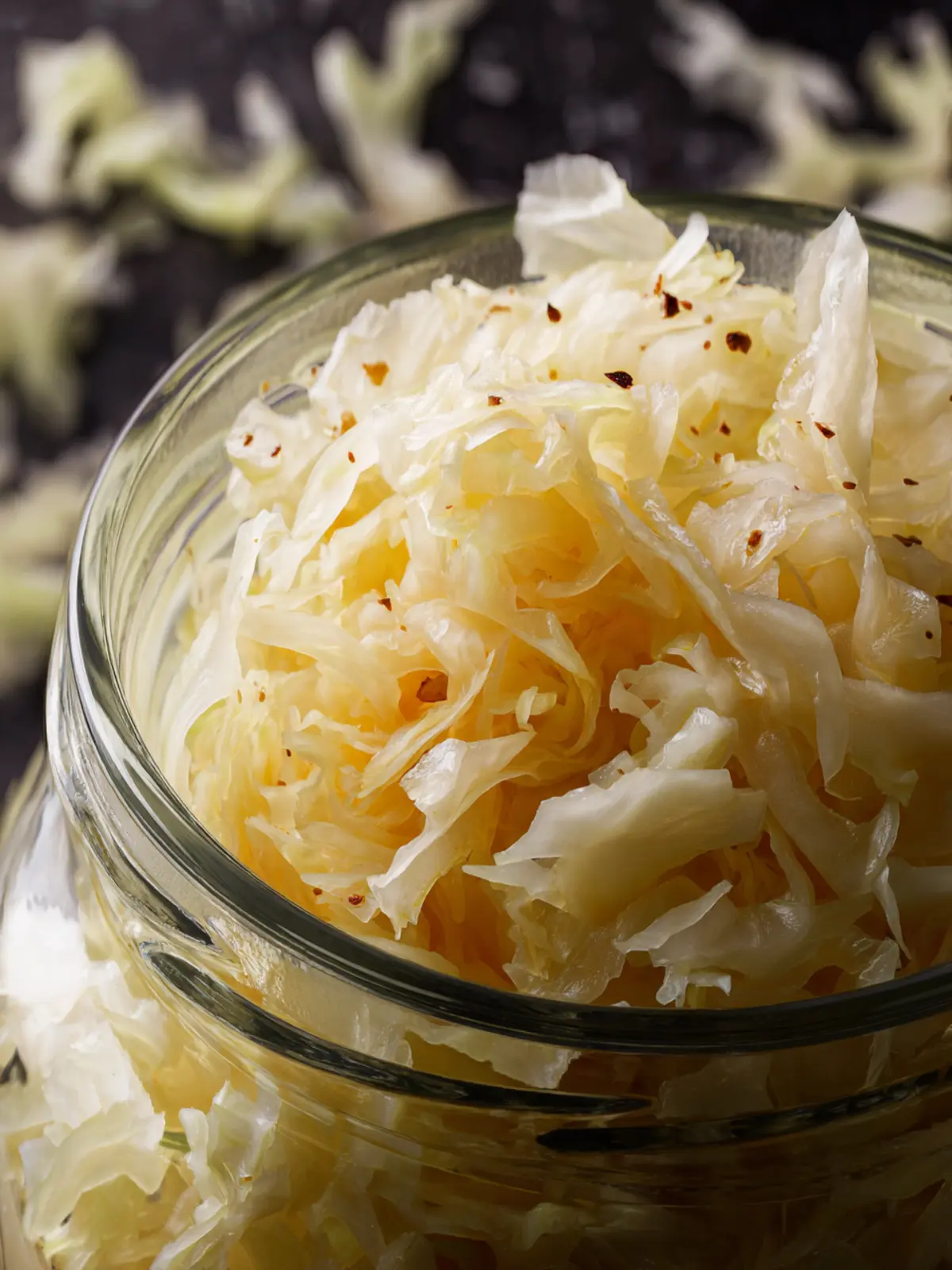
Key Ingredients for Homemade Sauerkraut
Cabbage: The star of homemade sauerkraut is undoubtedly cabbage. For that perfect crunch and flavorful bite, I recommend using 1-2 heads of fresh cabbage, totaling about 2 pounds (1000 grams). Each head brings its unique aromas and textures to your sauerkraut, enhancing the overall experience.
Sea Salt: A critical component, mineral or sea salt (just skip the iodized kind) helps extract moisture from the cabbage while also promoting that all-important fermentation process. Measure out 20 grams of salt for every 1000 grams of cabbage, and watch as the magic unfolds.
Cabbage Leaves: Before you start shredding, set aside 2 whole cabbage leaves. These will act like a lid, ensuring the shredded cabbage stays submerged in its brine. This step is vital for proper fermentation, which results in that tangy, delicious flavor we all love in sauerkraut.
With these key ingredients in hand, you’re well on your way to crafting your very own batch of sauerkraut that will impress friends and family alike!
Why You’ll Love This Homemade Sauerkraut
Achieving Flavor and Health Benefits
Imagine biting into a crunchy forkful of homemade sauerkraut, the tartness mingling perfectly with your meal. This delicious fermented dish is not just a tasty accompaniment; it’s a powerhouse of flavor and health benefits. When you create your own sauerkraut, you choose fresh ingredients and control the fermentation process, ensuring every bite is bursting with amazing taste.
One reason you’ll cherish your homemade sauerkraut is the unique flavor profile it brings to your meals. The natural fermentation process cultivates probiotics, enhancing your gut health, while the tanginess adds a vibrant twist to countless dishes—think roasted meats, salads, and even sandwiches.
But it’s not just flavor; it’s also a health boost. Studies suggest that fermented foods like sauerkraut can improve digestion and may even support immune health. The best part? It’s so easy to make! With just a few ingredients—cabbage, salt, and a little patience—you can start this culinary adventure.
So, not only is homemade sauerkraut a delight to your taste buds, but it’s also an investment in your health that your body will thank you for. Ready to get started? Let’s dive into the recipe!

Tips for Making Perfect Homemade Sauerkraut
Creating homemade sauerkraut can be a rewarding experience, transforming simple cabbage into a crunchy, tangy delight. However, it’s easy to make a few common mistakes along the way. To help you achieve that perfect batch, here are some techniques you can employ.
Techniques for Avoiding Common Mistakes
-
Choose the Right Cabbage: Opt for firm heads of green cabbage, as they have higher sugar content which aids fermentation. Avoid soft or wilted heads to guarantee a crunchier texture.
-
Keep Everything Clean: Sanitize your equipment, including jars and utensils. Any unwanted bacteria can spoil your beautiful sauerkraut, leading to unwanted flavors or, worse, spoilage.
-
Salt Wisely: Use the right amount of salt—around 2% of the cabbage’s weight is ideal. Too little salt can lead to spoilage, while too much can hinder the fermentation process.
-
Pack Tightly: Firmly pack the shredded cabbage into jars to limit air pockets. This ensures that the cabbage is submerged in brine, which is essential for proper fermentation. Remember, submerged cabbage ferments better!
-
Monitor Temperature: Keep your sauerkraut in a cool, dark place. Fermentation thrives at around 65-75°F. If it’s too hot, you risk mushiness; too cold slows down the process.
With these techniques, your homemade sauerkraut will achieve the ideal blend of flavor and texture, elevating your culinary skills to new heights. Enjoy your fermentation journey!
Time Breakdown for Homemade Sauerkraut
Making homemade sauerkraut is a rewarding journey that transforms simple ingredients into a tangy, flavorful side dish. Understanding the time involved can help you plan better and anticipate the delightful crunch of your finished product.
Preparation Time
Getting started with your homemade sauerkraut takes about 30 minutes. This includes the time spent shredding the cabbage and mixing it with salt.
Fermentation Time
The magic happens during fermentation, which typically takes 1 to 4 weeks. This is where the cabbage develops its signature sour flavor, so consider checking it after a week for taste.
Total Time
From start to finish, you’ll need to set aside about 4 weeks for your homemade sauerkraut. However, the preparation is quick, letting you focus on the more exciting part: waiting for that amazing taste to develop!

Nutritional Information for Homemade Sauerkraut
Creating your own homemade sauerkraut isn’t just a gratifying culinary project; it also delivers significant health benefits. This fermented delight is remarkably low in calories and rich in nutrients, making it a stellar addition to your diet.
Calories
A one-cup serving of homemade sauerkraut contains around 27 calories, allowing you to indulge without the guilt. This makes it a fantastic side dish or topping for many meals.
Vitamin C Contribution
One serving of homemade sauerkraut offers approximately 24% of your recommended daily intake of vitamin C. This powerful antioxidant supports immune health and helps combat free radicals in your body.
Probiotic Benefits
Packed with beneficial probiotics, homemade sauerkraut naturally enhances gut health. These live bacteria can aid digestion, improve nutrient absorption, and strengthen your overall immune system, helping you feel your best.
So, enjoy your journey into fermentation, knowing that you’re not just making food; you’re creating a nutrient-rich powerhouse right in your kitchen!
FAQs about Homemade Sauerkraut
Making your own homemade sauerkraut can be an enjoyable and rewarding experience, but you might have a few questions before diving in. Here are some common queries to help you on your fermentation journey:
How long does the fermentation process take?
The fermentation time for homemade sauerkraut typically ranges from one to four weeks, depending on the temperature and your taste preferences. Warmer environments speed up the process, while cooler places will slow it down. I often start tasting my sauerkraut after the first week. This lets me gauge if it has reached the tanginess I love. Remember, the longer it ferments, the more complex the flavor, so feel free to let it chill in the jar a bit longer if you prefer a stronger taste.
Can I use different vegetables?
Absolutely! While traditional sauerkraut uses cabbage, you can mix in other vegetables like carrots, radishes, or even beets for a colorful twist. Just keep in mind that different veggies may alter the flavor and fermentation times slightly. When I experimented with adding carrots to my batch, it brought a lovely sweetness that balanced the tanginess of the cabbage.
How should I store my sauerkraut?
Once your homemade sauerkraut reaches the desired flavor, transfer it to clean, airtight containers and store them in the fridge. This will slow the fermentation process and keep your kraut fresh. I always make sure to press down the kraut to keep it submerged in its brine, preventing spoilage. Properly stored, your sauerkraut can last several months, but I can assure you—it’ll be hard to resist eating it much sooner!
Conclusion on Homemade Sauerkraut
Reflecting on the Experience of Homemade Fermentation
Creating homemade sauerkraut is more than just a cooking project; it’s a rewarding journey into the art of fermentation. As you watch the vibrant cabbage transform into something tangy and probiotic-rich, there’s a sense of accomplishment that comes with each bubbling jar. This process not only fosters a deeper appreciation for fresh ingredients but also connects you to a tradition that has been celebrated for centuries. By making your own sauerkraut, you’re not just enhancing your meals with unique flavors; you’re investing in your health. Embrace your creativity—experiment with different spices and vegetables, and develop your custom recipe!
Print
Fermented Cabbage
- Total Time: 3-5 days
- Yield: 1 jar 1x
- Diet: Vegetarian
Description
This recipe guides you through the process of making delicious fermented cabbage, also known as sauerkraut.
Ingredients
Scale
- 2 pounds heads of cabbage (1–2 heads)
- 20 grams mineral or sea salt (not iodized) based on 1000 grams of cabbage
Instructions
- Set aside 2 cabbage leaves and leave them whole.
- Shred the remaining cabbage finely with a sharp knife or mandolin.
- Weigh the cabbage in grams (careful not to include the bowl’s weight).
- Take the weight of the cabbage and multiply it by the required grams per 1000 grams to measure out the salt needed.
- Massage the measured salt into the cabbage. Let sit for 30 minutes, or longer if needed to extract more juices.
- Transfer cabbage and brine to your vessel and pack tightly with a tamper or a muddler.
- Leave 3 inches of space between brine level and the top of the jar. Top with one or two cabbage leaves to keep shreds from floating above the brine, adding a fermentation weight.
- Keep the jars at room temperature (65-72F is ideal). Check progress daily, ensuring cabbage is still submerged (push it down if not) and taste for doneness starting day 3.
- It will generally take anywhere from 3-5 days and will get sourer as it ferments.
- You will know it is adequately fermented when it looks lighter in color, with a pleasantly tangy flavor.
- Store in the refrigerator with a sealed lid. To create a bubbly kraut, burp occasionally.
Notes
- The amount of salt needed varies based on the weight of the cabbage used.
- Monitor fermentation closely to achieve the desired flavor and texture.
- Prep Time: 15 minutes
- Category: Preserving
- Method: Fermentation
- Cuisine: German
Nutrition
- Serving Size: 1/2 cup
- Calories: 20
- Sugar: 1g
- Sodium: 300mg
- Fat: 0g
- Saturated Fat: 0g
- Unsaturated Fat: 0g
- Trans Fat: 0g
- Carbohydrates: 4g
- Fiber: 2g
- Protein: 1g
- Cholesterol: 0mg


