
Follow Me On Social Media!

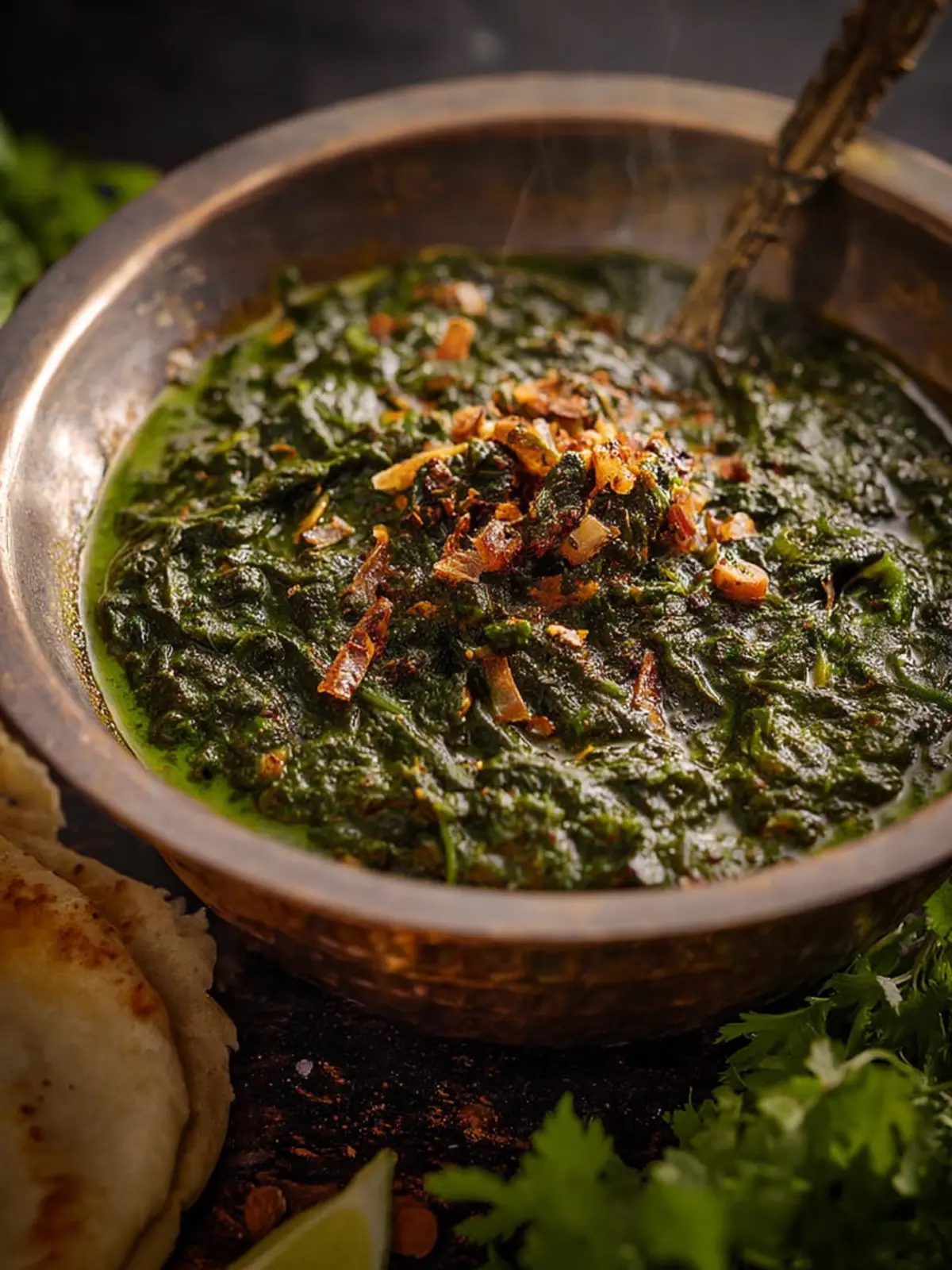
Sarson Ka Saag Recipe: The Best Creamy Comfort Dish Ever

Introduction to Sarson Ka Saag
Imagine the aroma of sarson ka saag filling your home, with its earthy goodness reminiscent of sprawling mustard fields swaying gently in the Punjab breeze. This beloved dish, often enjoyed during the colder months, brings warmth and comfort, alongside a rich cultural significance that speaks to the heart of North Indian cuisine.
What is Sarson Ka Saag and its Cultural Significance?
At its core, sarson ka saag is a wholesome vegetarian dish made primarily from mustard greens (sarson), a leafy vegetable that thrives in cooler weather. The dish is often cooked to perfection with a blend of spices that enhance its natural flavors, resulting in a creamy and slightly coarse texture that is both hearty and nutritious. It’s traditionally served with makki di roti (corn flatbread) and a dollop of butter or ghee, making for a magnificent food experience that embodies comfort and tradition.
Culturally, sarson ka saag is more than just a meal; it’s a symbol of Punjab’s agricultural heritage and communal values. The dish holds a special place in the hearts of locals, featuring prominently in winter festivities such as Lohri, where families gather to celebrate the harvest. The vibrant yellow mustard fields are a sight to behold, acting as a backdrop for many a joyous family gathering that often revolves around sharing a meal of sarson ka saag.
It is said that the best sarson ka saag recipe comes from age-old family traditions, passed down through generations, with each family infusing their unique touch into the dish. This evokes a sense of nostalgia that transforms each meal into a culinary journey through history, culture, and familial love. Whether you’re enjoying it at a festive gathering, or savoring it during a cozy at-home dinner, sarson ka saag connects us to our roots and reminds us of the importance of nourishing our bodies and spirits with wholesome food.
Next, we’ll delve deeper into the essentials of crafting this delectable dish, ensuring you can bring a piece of Punjab’s culinary legacy right into your kitchen.
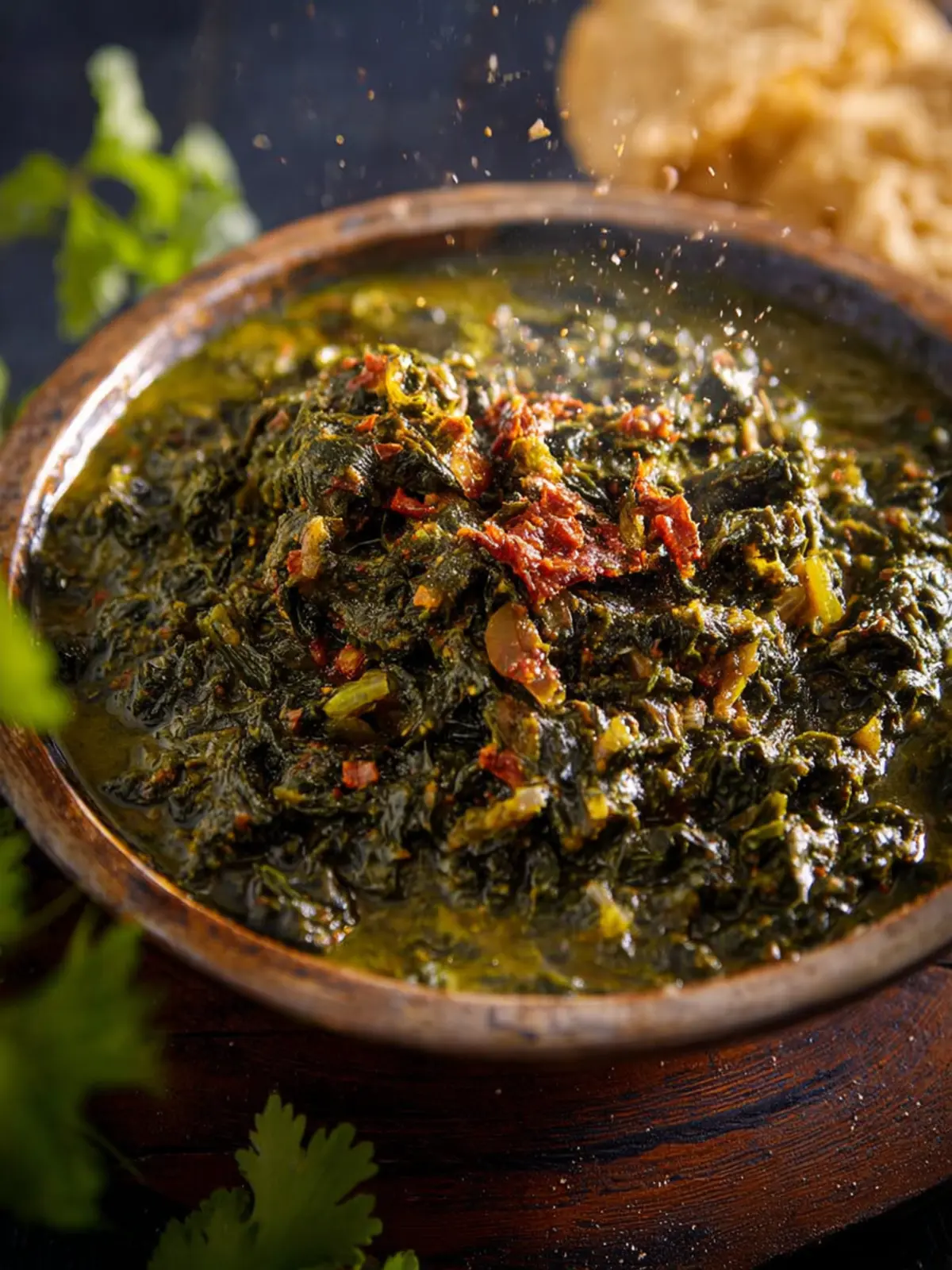
Key Ingredients for Sarson Ka Saag
Making a comforting plate of Sarson Ka Saag is all about using the freshest ingredients. Each component plays a pivotal role in creating that rich, authentic flavor that warms the heart.
Mustard Greens (Sarson)
The star of this dish is undoubtedly the mustard greens. Their slightly bitter taste is the essence of Sarson Ka Saag, bringing depth and character to every bite. When cooked down, they yield a rich, flavorful base that’s both nutritious and satisfying.
Spinach (Palak)
Adding spinach to the mix not only enhances the nutritional profile but also brings a vibrant green hue. Its mild flavor balances beautifully with the mustard greens, softening the bitterness to create a harmonious dish.
Radish Greens (Mooli Ke Patte)
Don’t overlook radish greens; they introduce a peppery note that deepens the overall flavor. If radish greens are not available, collard greens make a great alternative without losing that essential punch.
Fenugreek Leaves (Methi)
These leaves contribute a slightly sweet, nutty flavor that elevates the dish and makes it fragrant. They’re a wonderful addition that further enhances the taste of your Sarson Ka Saag recipe.
Tomatoes and Onions
Tomatoes and onions bring a natural sweetness and acidity to the dish, creating a flavorful balance that complements the greens perfectly. They are essential for achieving that mouthwatering taste.
Traditional Spices
A simple blend of ginger, garlic, and chilies provides a fragrant zest. This trio is essential in bringing together the layers of flavor that define Sarson Ka Saag.
Ghee
Finally, ghee is a must for finishing touches. Its rich, nutty flavor enhances the dish’s aroma and taste, making it a deliciously indulgent experience.
When you gather these ingredients, you’re one step closer to enjoying a traditional dish that captures the essence of comfort food.
Why You’ll Love This Sarson Ka Saag
Sarson Ka Saag is not just a dish; it’s a warm embrace from the heart of Punjab. Imagine sitting down to a bowl of this richly textured, vibrant green delight, each bite evoking memories of winter afternoons and family gatherings. The deep, earthy flavors of mustard greens, combined with aromatic spices, create a symphony of taste that’s comforting and satisfying.
A Perfect Winter Comfort Food
As the temperature dips, there’s nothing quite like the combination of sarson ka saag and warm, fluffy makki di roti. It’s an age-old pairing that not only fills your belly but also warms your soul. This dish is traditionally enjoyed during the cooler months, making it the ultimate comfort food for chilly evenings.
Nutrient-Rich and Wholesome
Beyond its comforting nature, this sarson ka saag recipe is packed with nutrients. Mustard greens are rich in vitamins A, C, and K, and they provide a good amount of fiber and antioxidants. Eating this dish not only indulges your taste buds but also supports your health—what’s not to love?
Versatile with Flavor
One of the best things about sarson ka saag is its versatility. You can enjoy it as a hearty main dish, a side, or even use it as a filling for wraps. It pairs beautifully with pickles and yogurt, allowing you to customize each bite to your liking.
In short, this sarson ka saag recipe is more than just a meal—it’s a nostalgic experience that brings warmth and flavor to your dining table.
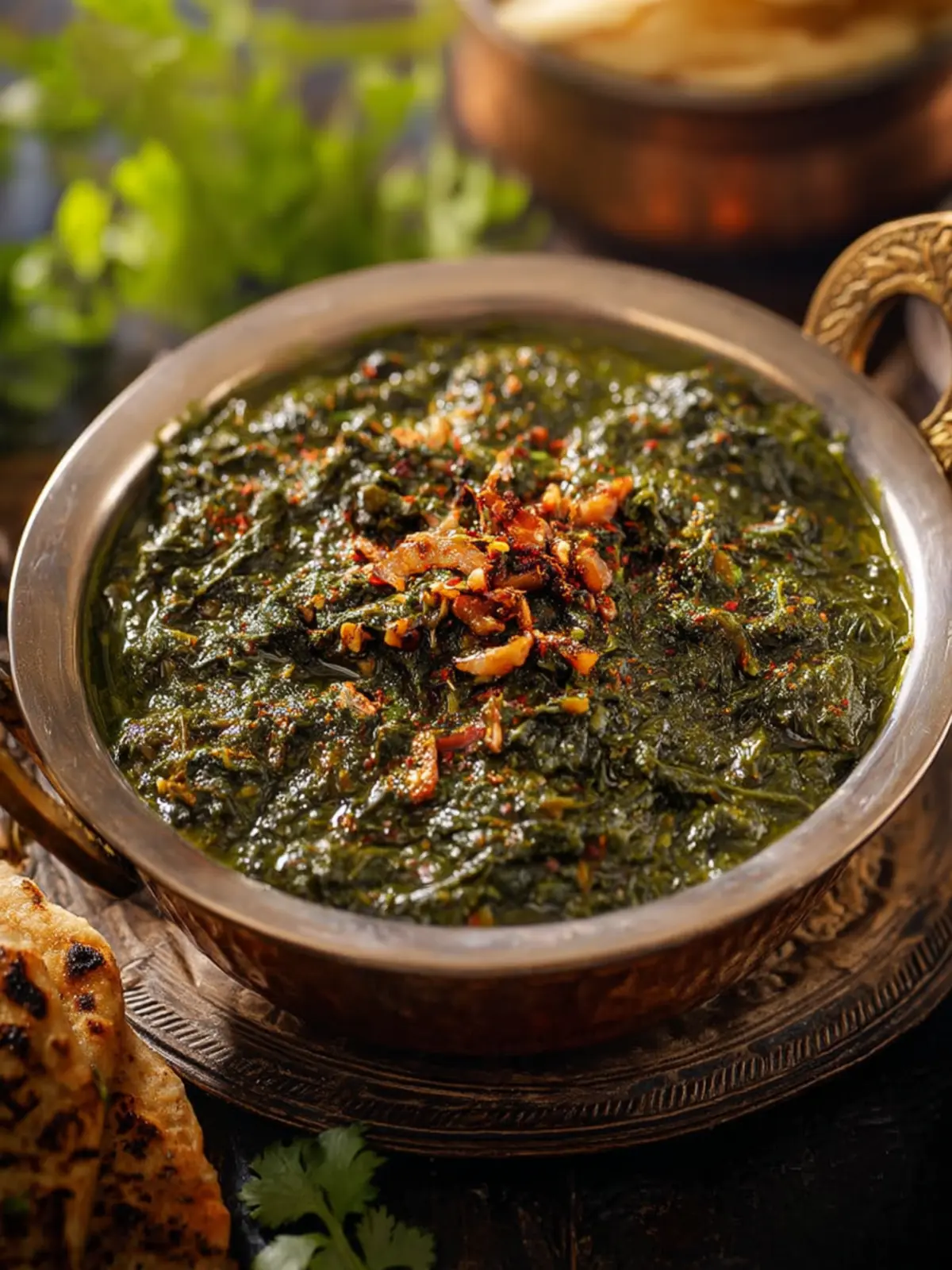
Tips for Making Perfect Sarson Ka Saag
When you dive into the sarson ka saag recipe, you’re not just making a dish; you’re experiencing a classic Punjabi winter delight that warms the heart and soul. Here are my top tips to ensure your saag is rich, flavorful, and perfectly textured.
Choose Fresh Greens
Using fresh mustard greens is essential for the best flavor. Look for leaves that are vibrant and crisp. If you can’t find mustard greens, mixing in some palak (spinach) can add a nice touch without compromising taste.
The Right Cooking Method
Don’t rush the cooking process. Boiling the greens first helps to soften their texture and release their flavors. After boiling, it’s crucial to blend them well. Achieving a smooth consistency makes a significant difference in your sarson ka saag recipe.
Spice It Up Thoughtfully
The delicate balance of spices is key. While traditional recipes often call for just a few spices, feel free to adjust according to your taste. Adding a pinch of garam masala just before serving can elevate the flavor profile beautifully.
Finishing Touches
For a creamy texture, enrich your saag with a dollop of makhan (butter) or a splash of cream right before serving. This not only enhances the taste but also gives it that restaurant-style richness.
With these tips, you can unlock the authentic flavors of sarson ka saag that will transport you right to Punjab’s winters. Enjoy cooking!
Time Details for Sarson Ka Saag
When embracing the joy of cooking the traditional sarson ka saag recipe, understanding the time commitment can make all the difference in your culinary journey.
Preparation Time
The preparation for sarson ka saag takes about 15-20 minutes. This includes washing, chopping, and gathering your fresh ingredients to ensure a wholesome dish.
Cooking Time
Once you’re all set, expect to spend approximately 30-35 minutes on cooking. This will give the greens enough time to cook down and meld with the spices for that rich, flavorful experience.
Total Time
Overall, you’ll be looking at a total time of about 50-55 minutes. It’s a small investment for a dish that celebrates the essence of Punjabi cuisine and brings the warmth of home-cooked goodness to your table.
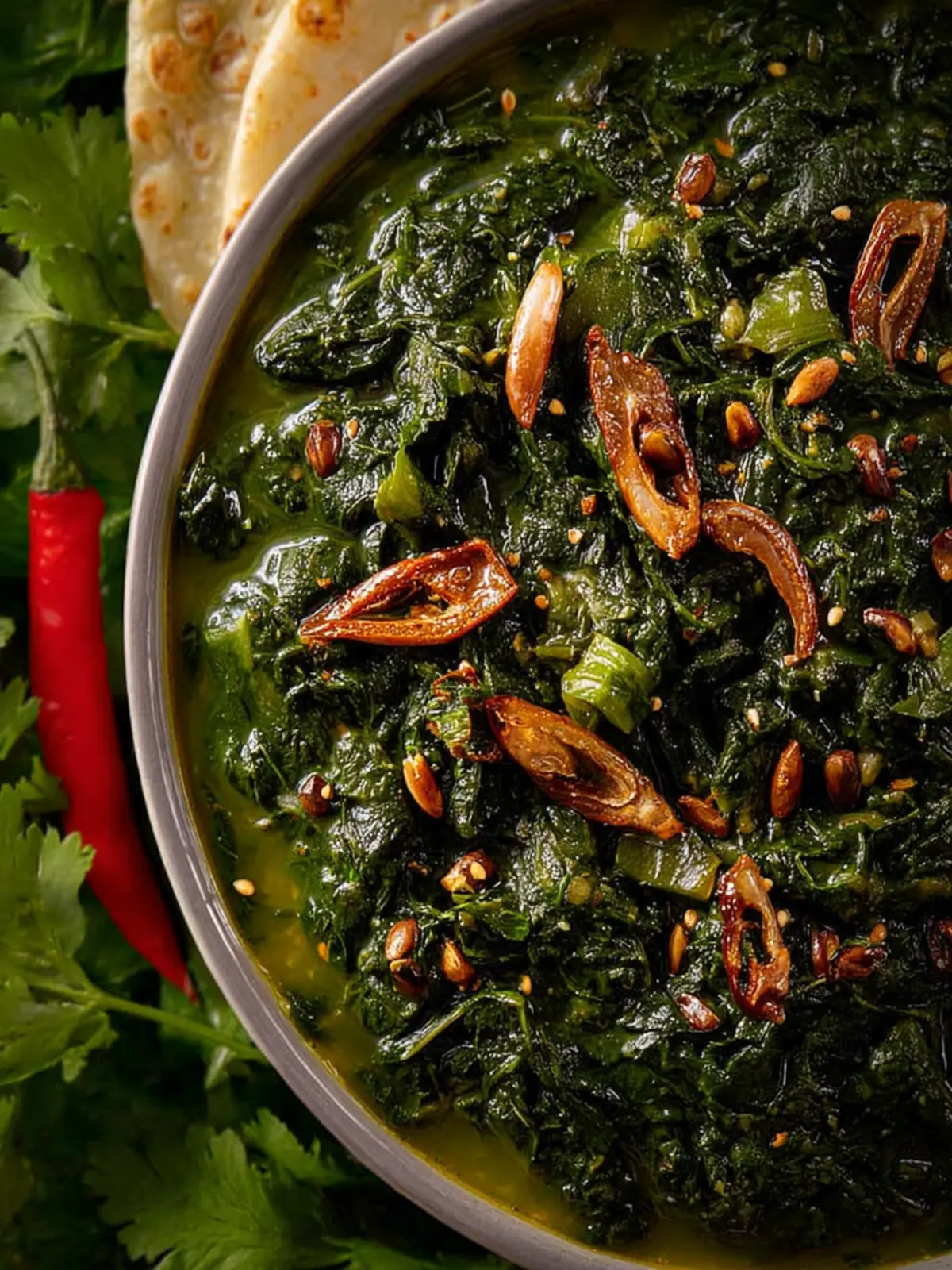
Nutritional Information for Sarson Ka Saag
Exploring the Sarson Ka Saag recipe is not just about savoring its delightful flavors, but also understanding its nutritional benefits. This traditional dish, often enjoyed with makki di roti, is packed with healthy ingredients that contribute to a wholesome meal.
Calories
A serving of Sarson Ka Saag typically contains around 150-200 calories, making it a satisfying yet low-calorie dish. This is especially great for those watching their intake without sacrificing taste.
Protein
In each serving, you can expect approximately 6-8 grams of protein. The combination of mustard greens and other seasonal greens provides a good source of plant-based protein, contributing to muscle health and fullness.
Sodium
With a sodium content of about 300-400 mg per serving, Sarson Ka Saag is relatively moderate in salt. By being mindful of how much salt you add during cooking, you can keep this comforting dish flavorful without overwhelming your diet with sodium.
Enjoy nourishing your body while relishing every spoonful of this classic Sarson Ka Saag recipe!
FAQs about Sarson Ka Saag
Sarson ka saag is a beloved dish that warms your soul, bringing the rich flavors of mustard greens alive in every bite. As you experiment with this classic Punjabi recipe, it’s natural to have questions. Let’s address some of the most common ones.
Can I make Sarson Ka Saag vegan?
Absolutely! Making a vegan version of sarson ka saag is simple and still delicious. Just skip the butter, and instead, use vegetable oil to sauté your onions and spices. You can also add a splash of almond or coconut milk at the end for creaminess without compromising on flavor. You’ll find that the mustard greens pair beautifully with these plant-based alternatives.
What dishes pair well with Sarson Ka Saag?
When serving sarson ka saag, traditional accompaniments shine. The classic pairing is with makki di roti, which complements the dish’s savory elements perfectly. Additionally, you can enjoy it with rice or any flatbread of your choice. Some people even serve a side of tangy pickles or a light onion salad to add crunch and acidity. The combination of flavors creates a symphony on your plate!
How can I store leftovers of Sarson Ka Saag?
Leftover sarson ka saag can be stored for up to three days in an airtight container in the refrigerator. When you’re ready to enjoy it again, just reheat it on the stove, adding a tablespoon of water to bring back its original consistency. If you plan to keep it longer, consider freezing it in portions. It makes for a quick and healthy meal when those busy weekdays roll around!
Conclusion on Sarson Ka Saag
In conclusion, sarson ka saag is more than just a recipe; it’s a beloved tradition that warms the heart and brings families together. The combination of mustard greens with an array of spices creates a dish that bursts with flavor and celebrates the simplicity of home-cooked meals. Serve it with makki di roti for the ultimate experience; nothing beats the joy of scooping up this rich, green goodness. Whether you’re preparing it for a cozy family dinner or a gathering with friends, this sarson ka saag recipe is sure to impress and bring smiles around the table. Enjoy the journey!
Print
Saag
- Total Time: 45 minutes
- Yield: 4 servings 1x
- Diet: Vegetarian
Description
This traditional Indian dish is made with a variety of greens and served hot with makke ki roti.
Ingredients
Scale
- 200 grams mustard greens (sarson)
- 35 grams spinach (palak)
- 35 grams radish greens (mooli ke patte) (or collard greens)
- 35 grams chenopodium (bathua) (optional)
- 35 grams fenugreek leaves (methi)
- 1 cup chopped tomatoes
- 1 cup chopped onions
- ¼ cup chopped radish (or turnip)
- 1 inch chopped ginger
- 8–10 cloves chopped garlic
- 2–3 chopped green chilies
- 1 teaspoon red chili powder
- ¼ teaspoon asafetida (hing)
- 1 teaspoon salt (or to taste)
- 2 tablespoons corn meal (makki ka atta)
- 2 tablespoons clarified butter (ghee)
- ¼ cup finely chopped onions
- 3–4 cloves peeled and smashed garlic
Instructions
- Wash the greens thoroughly 2-3 times with water to get rid of any mud in them.
- Drain well.
- Add the washed greens to a large pressure cooker. Press the greens so that they fit in the cooker. They will be reduced drastically in volume once cooked; no need to chop them since we will be blending later.
- Add tomatoes, onions, ginger, garlic, radish, chilies, salt, and 1 cup of water to the cooker.
- Close the lid of the cooker and pressure cook for one whistle on high heat.
- Remove the pressure cooker from heat and let the pressure release naturally.
- Once the pressure is released, open the lid of the cooker and let the greens cool down slightly.
- Transfer the cooked and cooled greens to the large jar of a blender along with the leftover water.
- Blend to make a coarse paste.
- Transfer the paste to the same pressure cooker or another pan.
- Dissolve makki ka atta (maize flour) in ½ cup water and add it to the cooker.
- Add red chili powder and asafetida and mix well.
- Cook for 10-12 minutes on medium heat.
- If the saag is too thick for your liking, then add some water to it and cook for a minute. If it’s too thin, then cook it for an additional 5-6 minutes until the consistency is right.
- Check for salt and add more if required.
- Heat ghee in a small pan over medium heat.
- Once the ghee is hot, add onions and garlic and fry till golden brown, keeping stirring while frying.
- Pour the tadka over the saag and mix well. Serve hot with makke ki roti, jaggery, and white butter.
- Tip – Save some tempering to garnish the saag.
Notes
- For a smoother texture, you can blend the greens longer.
- Adjust the level of spices according to your taste.
- Prep Time: 20 minutes
- Cook Time: 25 minutes
- Category: Indian
- Method: Pressure Cooking
- Cuisine: Indian
Nutrition
- Serving Size: 1 bowl
- Calories: 250
- Sugar: 2 grams
- Sodium: 500 mg
- Fat: 10 grams
- Saturated Fat: 5 grams
- Unsaturated Fat: 5 grams
- Trans Fat: 0 grams
- Carbohydrates: 40 grams
- Fiber: 8 grams
- Protein: 6 grams
- Cholesterol: 0 mg